
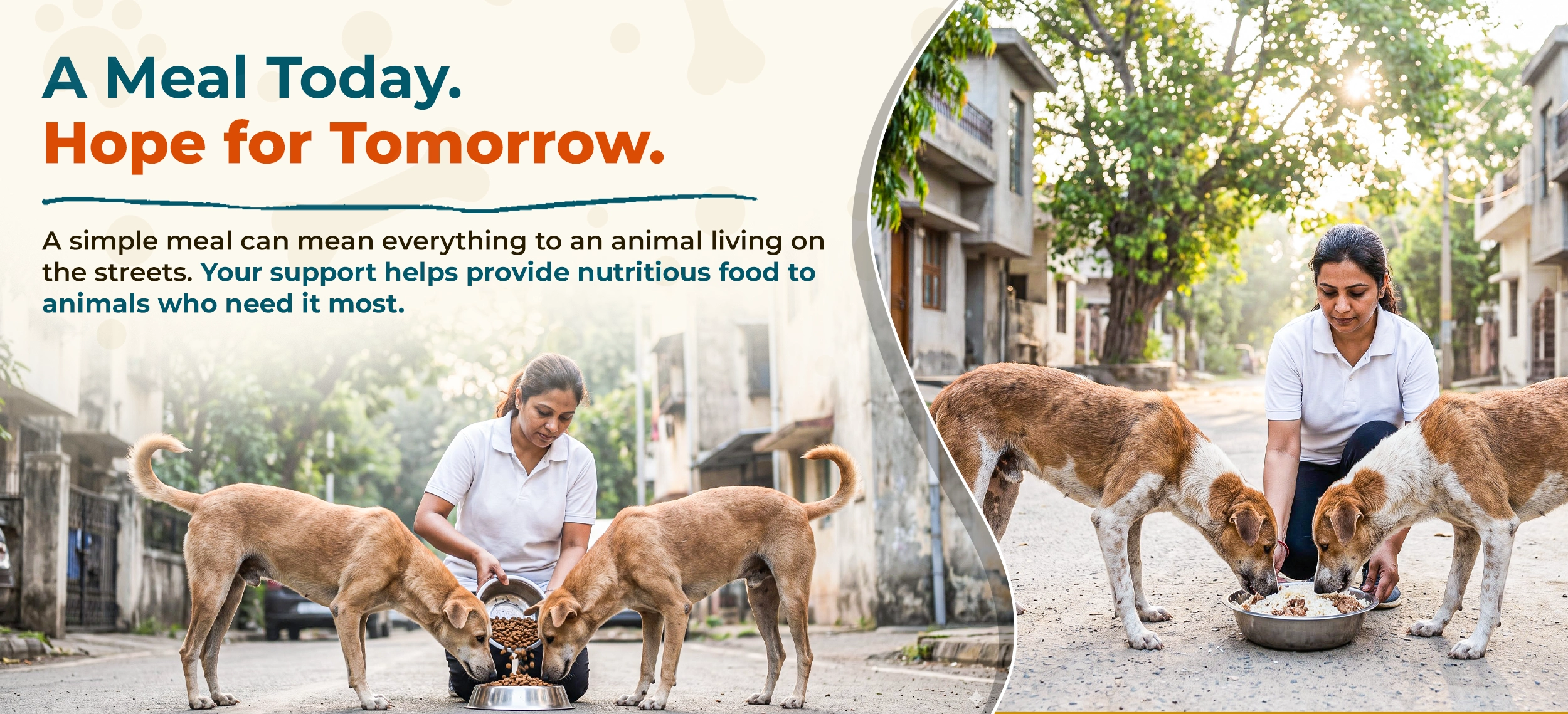
Sponsor Daily Meals For Stray Animals
Select a meal package below. Your donation directly funds fresh, vet-approved food for hungry street animals in urgent need.
More Than Just A Meal
Regular feeding drives create healthier animals, safer streets, and more compassionate communities.
Boosts Immunity & Health
Malnourishment leads to viral outbreaks and skin diseases. Our balanced diet fortified with calcium and vitamins keeps their immunity strong.
Reduces Fights & Stress
Hungry street packs fight aggressively for food scraps. Regular feeding schedules eliminate food anxiety and keep territories peaceful.
Field Rescue Detection
Daily routes allow our feeders to spot injured, sick, or newborn animals immediately and dispatch our ambulance team for medical aid.
Community Harmony
We work with local shopkeepers, residents, and children to educate them on stray welfare, turning hostile areas into friendly feeding spots.
Stories & Impact From Our Feeding Drives
Discover how daily nourishment, community involvement, and field first-aid save hundreds of stray lives every day.
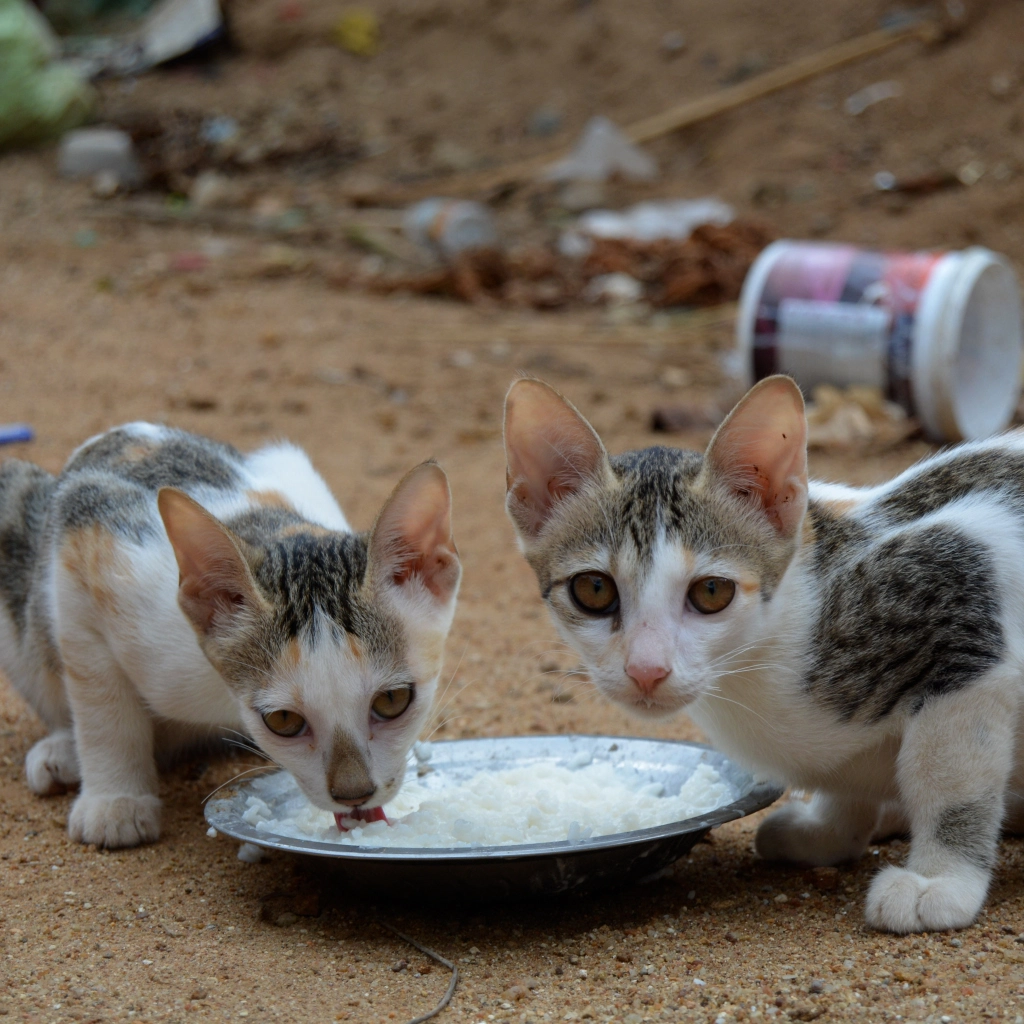
No Animal Should Sleep Hungry: A Daily Promise
At Animal Hope Foundation, we are dedicated to improving the lives of stray animals through frequent and thoughtfully planned feeding drives. These drives are not just about providing food — they are about creating safer, healthier spaces for animals and communities to coexist.
Stray animals in urban areas often struggle to find adequate nutrition, leading to malnutrition, lowered immunity, and severe digestive infections from rummaging through garbage and plastic waste. By ensuring a steady supply of balanced, cooked meals, we help strengthen their immune systems and keep them active and disease-free.
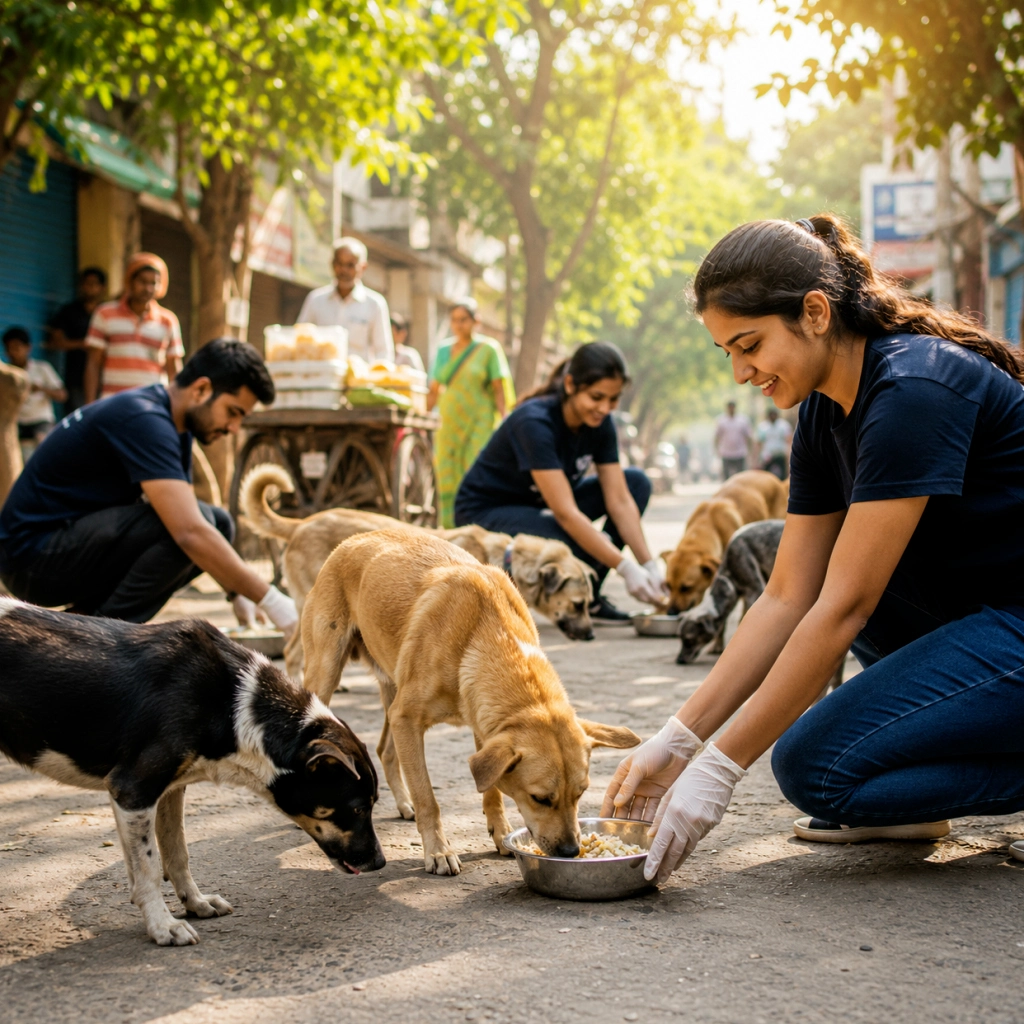
Building Compassionate Neighborhoods & Peaceful Streets
Through our daily feeding routes, we actively engage with local shopkeepers, colony residents, and young adults to foster compassionate neighborhoods. Teaching communities how to safely interact with strays transforms previously hostile areas into peaceful feeding zones.
Hungry stray packs often fight aggressively for food scraps. Establishing predictable feeding schedules eliminates food anxiety, drastically reducing territorial pack aggression and creating harmony between residents and street animals.
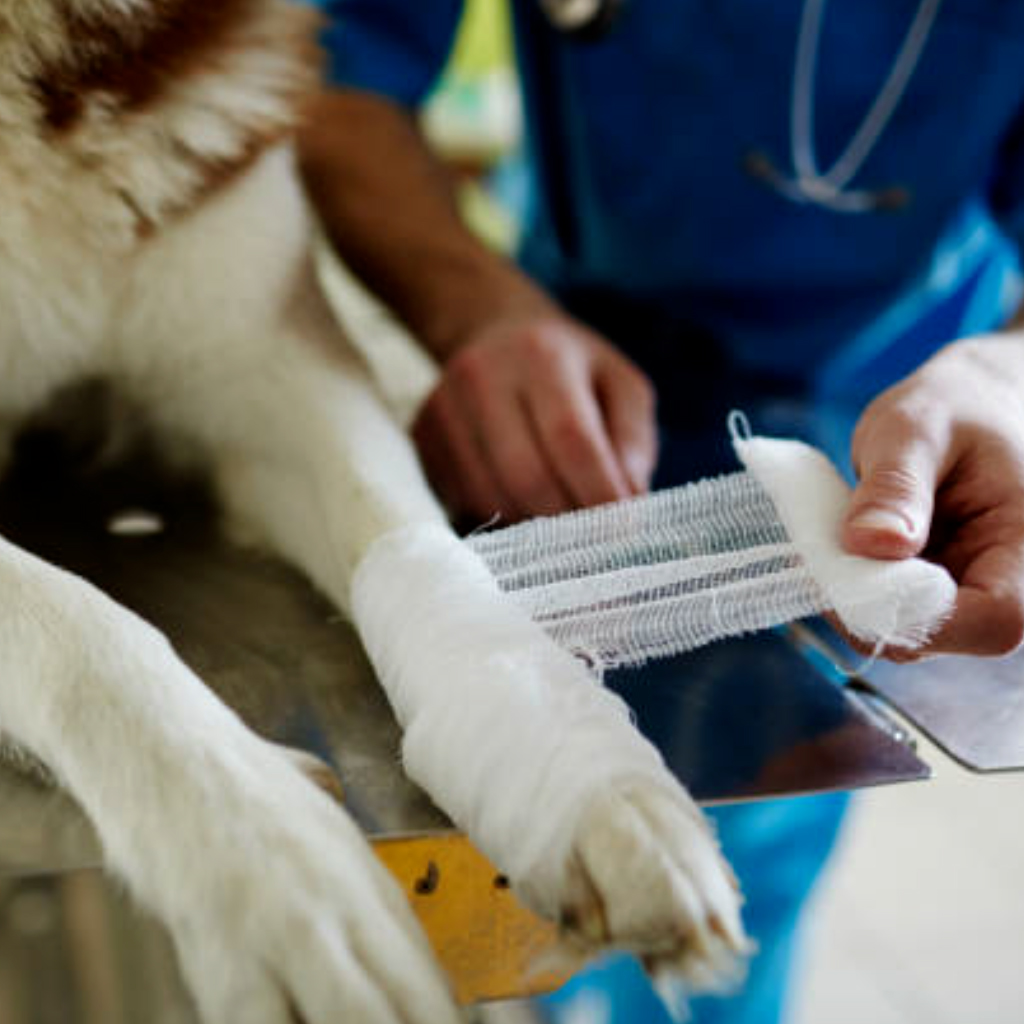
On-The-Spot Medical First Aid & Rescue Detection
Our volunteer feeder teams carry medical first-aid kits containing antiseptic sprays, wound powders, tick treatments, and bandages on every single feeding route.
When our feeders encounter injured, sick, or malnourished animals during morning and evening drives, they immediately administer first-aid or alert our 24/7 animal ambulance team for rapid shelter hospital admission.
Our Active Feeding Routes
Our dedicated volunteer feeders operate on fixed morning, evening, and night routes 365 days a year.
Station & Market Belt
Covers railway station exits, vegetable markets, and bus depots where strays gather for morning food.
Highway & Bypass Zone
Distributes food along highway service roads and outer shelter perimeters to keep strays away from dangerous traffic.
Suburban Residential
Evening feeding route covering residential societies, public parks, and colony lanes with volunteer feeders.
Industrial & Night Patrol
Night feeding route for industrial estates and construction sites where animals are abandoned without food water.
Help Us Expand Our Feeding Routes
There are hundreds of street animals waiting for their daily meal. Your support keeps our feeding vans running 365 days a year.