Animal Foundation: Understanding Animal Welfare, Rescue, Care and How You Can Help
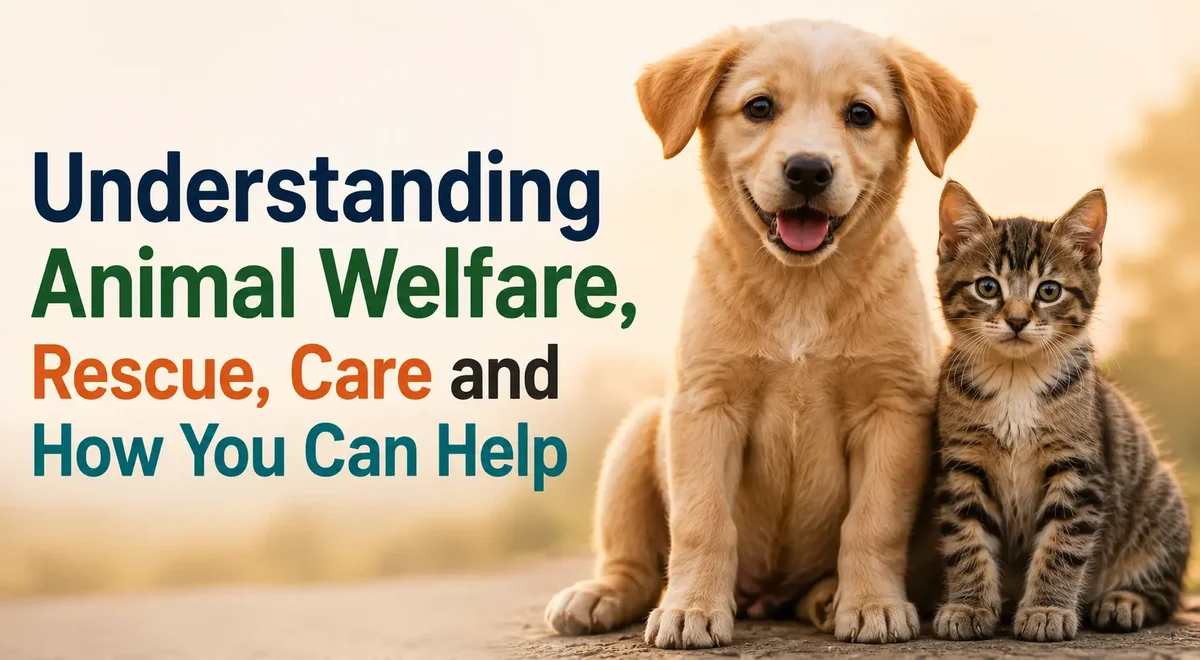
An animal foundation can play an important role in protecting vulnerable animals through rescue, veterinary treatment, rehabilitation, adoption, community awareness, and humane population management.
An animal foundation can play an important role in protecting vulnerable animals through rescue, veterinary treatment, rehabilitation, adoption, community awareness, and humane population management. This guide explains how animal welfare organizations operate, why responsible care matters, how citizens can support rescued and community animals, and what to consider before donating or volunteering. It also highlights the importance of vaccination, sterilization, responsible adoption, and transparent charitable practices.
What Is an Animal Foundation and Why Does Animal Welfare Matter?
An animal foundation generally works to improve the welfare and protection of animals that may be abandoned, injured, abused, neglected or living without reliable access to food and medical care. Depending on its mission and resources, an organization may provide emergency rescue, veterinary assistance, temporary shelter, rehabilitation, adoption services, sterilization programs and public education.
Animal welfare is not limited to rescuing animals after they have suffered. It also involves preventing unnecessary pain, encouraging responsible ownership and creating communities where people and animals can coexist safely. In India, the Animal Welfare Board of India (AWBI) works under the framework of the Prevention of Cruelty to Animals Act, 1960 and advises on measures intended to prevent unnecessary pain and suffering to animals.
This makes animal welfare a shared responsibility involving citizens, veterinarians, local authorities, caregivers, shelters and welfare organizations.
What Does an Animal Foundation Do?
The work of an animal foundation can extend far beyond simply providing shelter. Effective animal welfare programs usually combine immediate intervention with longer-term rehabilitation and prevention.
1. Animal Rescue and Emergency Response
Injured animals may require rapid intervention after road accidents, abuse, abandonment, illness, or other emergencies. Rescue teams may safely transport animals to veterinary facilities, arrange treatment and provide temporary care during recovery.
The priority is generally stabilization: controlling pain, treating injuries, addressing dehydration or infection, and determining whether the animal can eventually return to its community or requires long-term rehabilitation.
2. Veterinary Treatment
Medical care is one of the most important components of animal welfare. Depending on the case, treatment may include wound management, surgery, vaccinations, diagnostic testing, medication, nutritional support and follow-up care.
The AWBI also maintains guidelines and schemes relating to veterinary care, rescued animals and animal shelters, demonstrating the importance of structured medical facilities in animal welfare work.
3. Sterilization and Population Management
Uncontrolled breeding can contribute to growing populations of homeless animals and place additional pressure on communities, shelters and caregivers. Sterilization, when conducted appropriately by qualified veterinary professionals, is an important population-management tool.
India's Animal Birth Control Rules, 2023 provide a regulatory framework for animal birth-control programs. AWBI currently publishes the rules alongside implementation guidelines and advisories for local bodies and other stakeholders.
Population management should therefore be approached systematically rather than through abandonment, cruelty or indiscriminate removal.
4. Vaccination and Disease Prevention
Vaccination protects individual animals and contributes to broader public-health goals. Rabies is particularly important because it is preventable but remains a serious disease. According to the World Health Organization, dogs are responsible for up to 99% of human rabies transmission, while vaccination of dogs and timely post-exposure care are key prevention measures.
Responsible welfare programs can therefore support vaccination awareness, veterinary intervention and community education alongside rescue activities.
How an Animal Foundation Supports Rehabilitation
Rescue is only the beginning. An animal foundation may need to help an animal regain physical health, confidence and the ability to live safely.
Rehabilitation can include:
- Nutritious food and clean drinking water
- Safe and hygienic temporary accommodation
- Veterinary follow-up
- Recovery from wounds or illness
- Behavioral observation
- Socialization where appropriate
- Grooming and basic hygiene
- Identification and medical records
- Adoption preparation
For animals that can safely return to their communities, rehabilitation may focus on restoring health and supporting responsible community care. For abandoned pets or animals unable to survive independently, adoption or long-term sanctuary care may be more suitable.
Why Adoption Is Important
Adoption can provide an abandoned or rescued animal with stability, companionship and continued access to responsible care. However, adoption should never be treated as an impulse purchase or a short-term decision.
Potential adopters should consider:
- Whether their home environment is appropriate
- The animal's age, temperament, and activity level
- Veterinary and vaccination expenses
- Daily food and grooming requirements
- Time available for companionship and exercise
- Long-term responsibility during travel or relocation
- The ability to provide care throughout the animal's life
A successful adoption benefits both the animal and the family because it creates a sustainable relationship rather than simply moving an animal from one temporary environment to another.
How to Choose an Animal Welfare Organization to Support
Before donating, volunteering or sponsoring treatment, people should evaluate an animal foundation carefully. A responsible organization should be able to explain its objectives, activities and use of donations.
Useful questions include:
- What type of animals does the organization support?
- Does it provide veterinary treatment or work with qualified veterinary professionals?
- Does it maintain records of rescued and treated animals?
- Does it explain how donations are used?
- Does it have clear adoption or rehabilitation procedures?
- Can supporters understand the organization's current projects and priorities?
- Does it demonstrate humane and legally compliant practices?
Transparency is particularly important because animal welfare involves recurring expenses such as medicines, veterinary procedures, food, transportation, shelter maintenance and trained caregiving.
How Can Individuals Help Animals Every Day?
Supporting animal welfare does not always require a large financial contribution. Small, consistent actions can also make a meaningful difference.
People can help by providing safe drinking water during hot weather, contacting appropriate rescue services for seriously injured animals, supporting vaccination and sterilization initiatives, adopting responsibly, avoiding cruelty and educating children about humane treatment.
Volunteering can also be valuable. Depending on an organization's needs, volunteers may help with animal care, adoption awareness, fundraising, administrative tasks, social media, transportation coordination or community outreach.
The most effective support is responsible and sustainable. Feeding animals, for example, should be done safely and hygienically while respecting local requirements and community concerns.
How Animal Hope Foundation Can Make a Difference
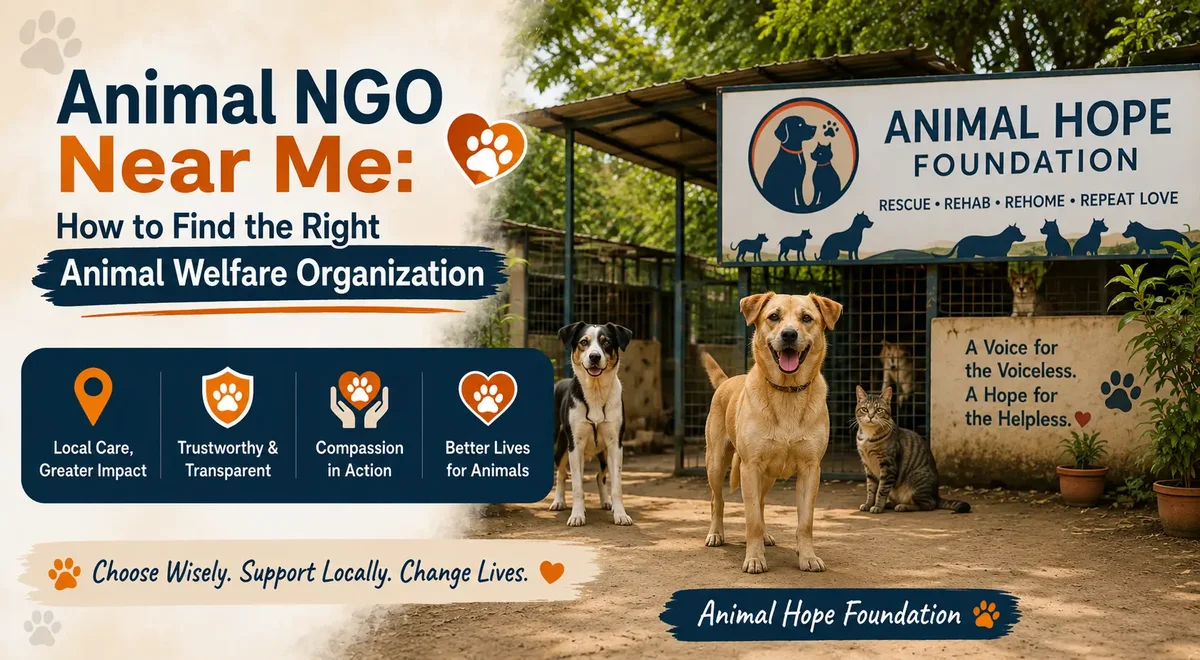
Animal Hope Foundation focuses on giving vulnerable animals a chance at recovery, safety and a better future. Through rescue-oriented care, treatment, rehabilitation and awareness, the organization seeks to connect compassion with practical action.
For people who want to contribute, support can take different forms—from helping fund medical treatment to supporting food, shelter, rescue operations, rehabilitation or adoption efforts. Every contribution can become part of a larger chain of care when it is directed toward genuine welfare needs.
If you believe every injured, abandoned or helpless animal deserves compassion, you can support Animal Hope Foundation by donating, volunteering or helping spread awareness about responsible animal care. Your support can help transform a moment of suffering into a second chance.
Frequently Asked Questions
1. What is the main purpose of an animal welfare organization?
The main purpose is to protect animals from unnecessary suffering and improve their welfare. Depending on the organization, this may include rescue, medical treatment, shelter, rehabilitation, adoption, sterilization, vaccination, and awareness programs.
2. How can I help a stray or injured animal?
For a seriously injured animal, contact a qualified veterinarian or a reliable local rescue organization. Avoid attempting complicated medical treatment yourself. If the animal is approachable and it is safe to do so, keep it away from immediate danger while professional help is arranged.
3. Is animal sterilization important?
Yes. Properly conducted sterilization can help manage animal populations and reduce unwanted litters. In India, animal birth-control programs operate under the Animal Birth Control Rules, 2023 and related implementation guidance.
4. Why is vaccination important for dogs?
Vaccination helps protect dogs against preventable diseases and is particularly important for rabies prevention. WHO identifies mass dog vaccination as a proven and cost-effective measure for reducing dog-mediated rabies transmission.
5. What should I check before donating to an animal charity?
Look for transparency about the organization's mission, programs, veterinary activities, donation utilization, rescue work, and reporting practices. A credible organization should be able to clearly explain how public support contributes to animal welfare.
A Small Act Can Create a Second Chance
The work of an animal foundation is ultimately about more than rescue—it is about creating systems of care that allow vulnerable animals to survive, recover and, whenever possible, find safe and loving homes. Communities can strengthen this work by choosing responsible adoption, supporting vaccination and sterilization, reporting cruelty, volunteering and contributing to credible welfare initiatives.
Animal Hope Foundation invites compassionate individuals to become part of this effort. Whether you contribute time, resources or awareness, your action can help an animal receive food, medical attention, rehabilitation, and the opportunity for a safer tomorrow.
Because for an animal waiting for help, one caring person can be the beginning of a completely different life.
Help Us Save More Animal Lives
Share this article with fellow animal lovers to spread empathy!